
Cayetano Heredia and the University of Milano-Bicocca launch a new medical and scientific collaboration
Publicado el
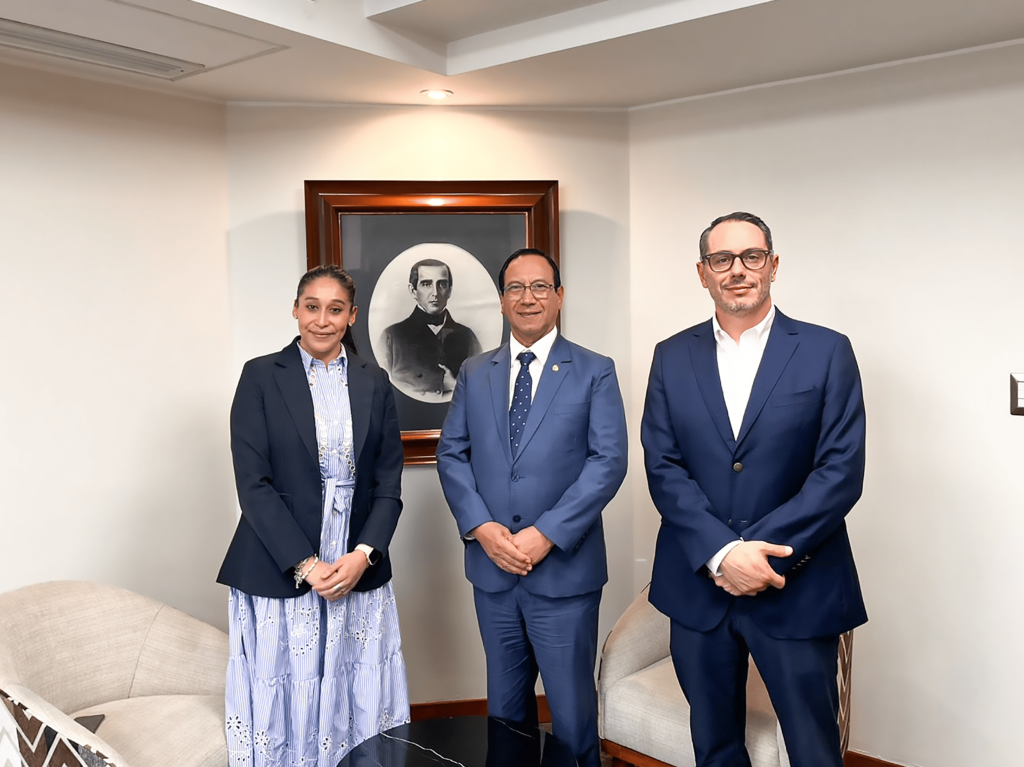
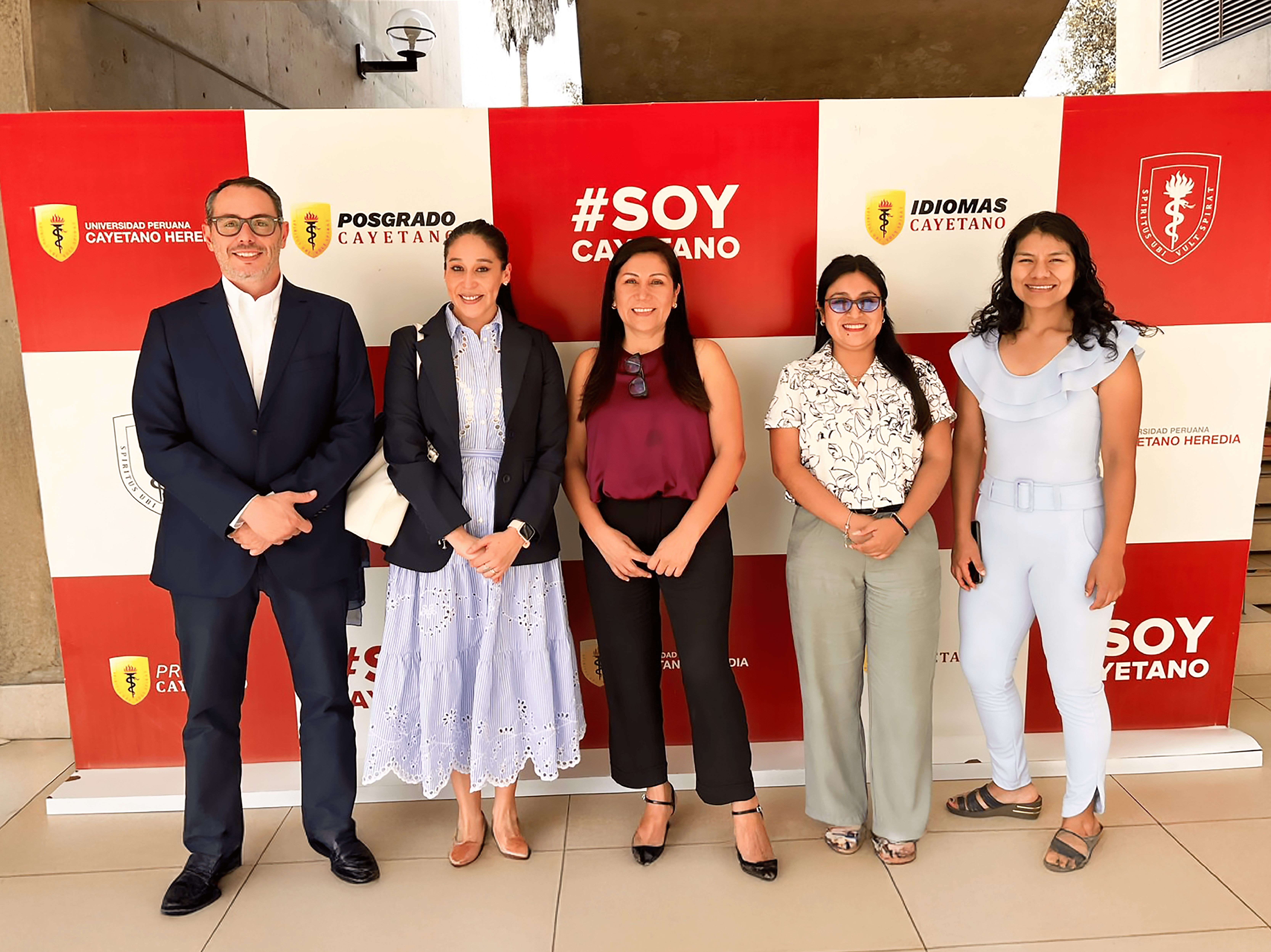
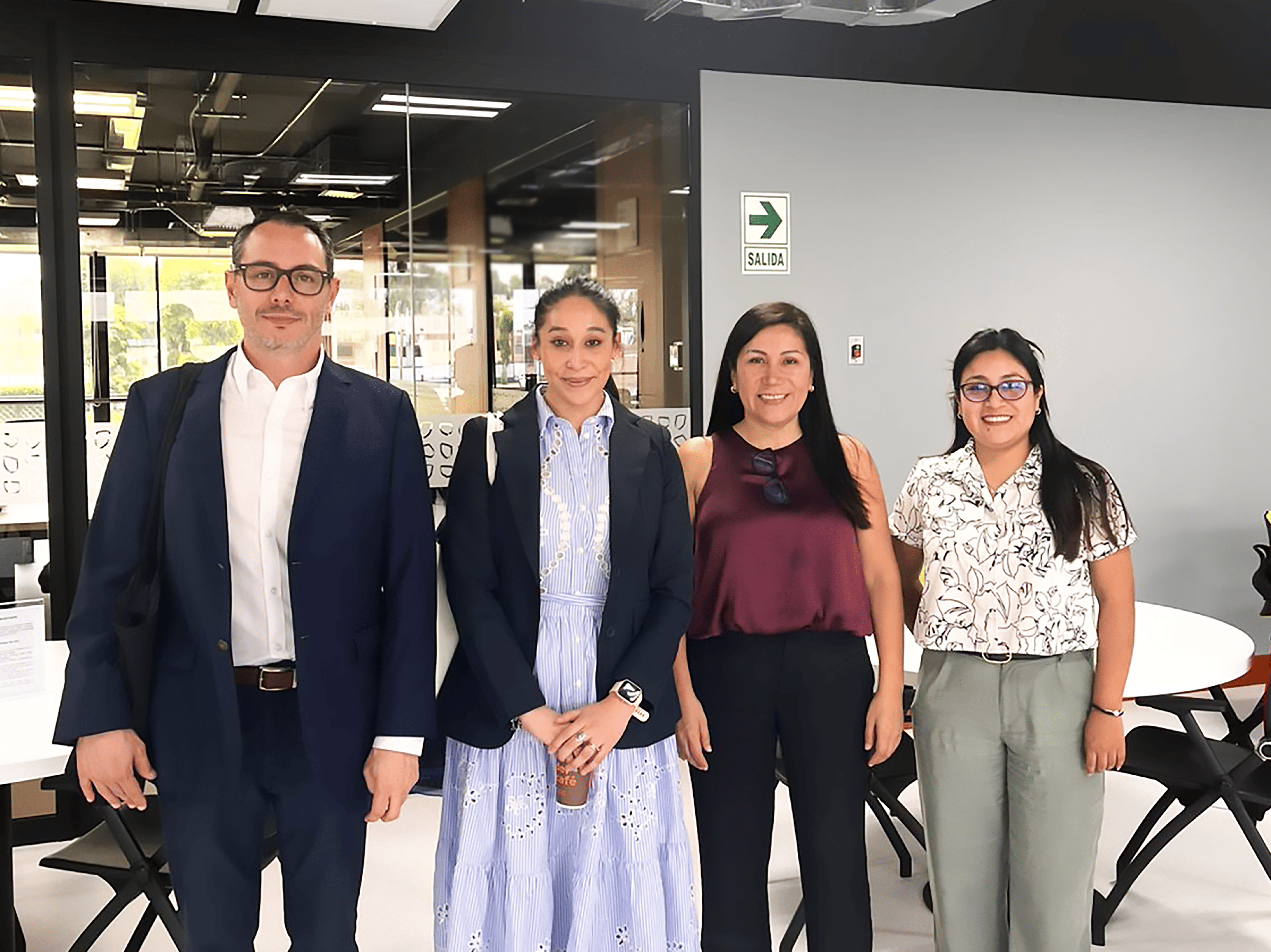
On February 4, Cayetano Heredia welcomed Karla Zavala, representative of the International Affairs Unit of the University of Milano-Bicocca (Italy), as part of an institutional agenda aimed at deepening academic and scientific cooperation between both universities, with a special focus on health sciences, psychology, and interdisciplinary research.
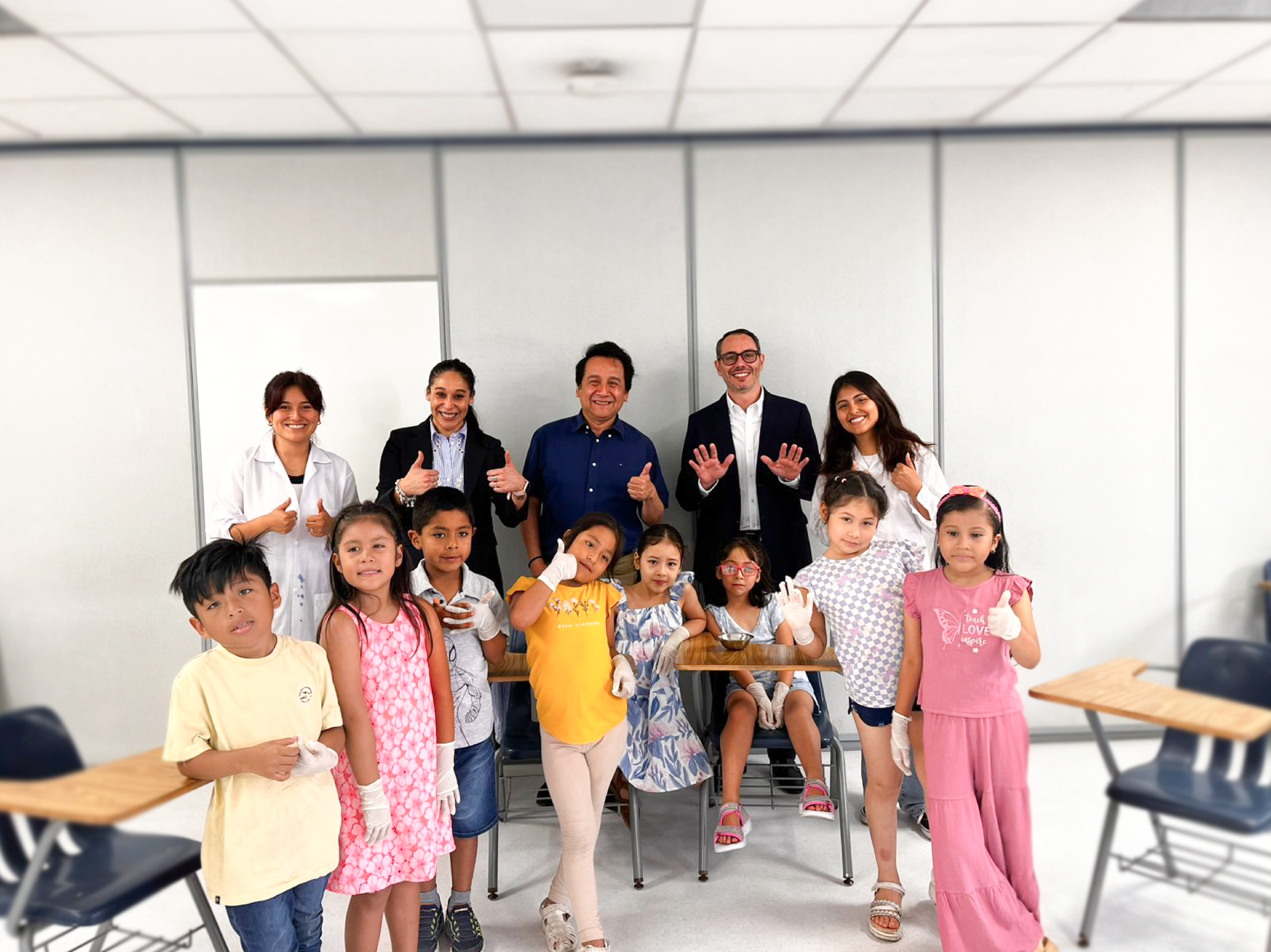
The delegation was received by UPCH’s Rector, Dr. Enrique Castañeda, and by Mag. Francesco Mencaroni, Director of the Office of Institutional Relations and Internationalization, who highlighted the importance of consolidating strategic alliances with highly prestigious European universities with a strong research orientation, such as the University of Milano-Bicocca, recognized for its leadership in medicine, psychology, neuroscience, and biomedical sciences. Representatives from the Faculty of Psychology (FAPSI) were also in attendance, including Dr. Patricia Iparraguirre, Head of the Psychology Program; Dr. Liliana Pando, Head of Graduate Studies, Specialization and Continuing Education; Mag. Jennifer Carrasco Tacuri, Coordinator of the Psychology Program; and Mag. Susana Mamani Guerra, Acting Head of the Academic Department. During the visit, Ms. Zavala also attended a STEM class led by Professor Hugo Flores, designed for children and focused on experiential learning and the use of technological tools, offering a closer look at the University’s innovative teaching methodologies and its practical approach to fostering scientific and technological learning from an early age.
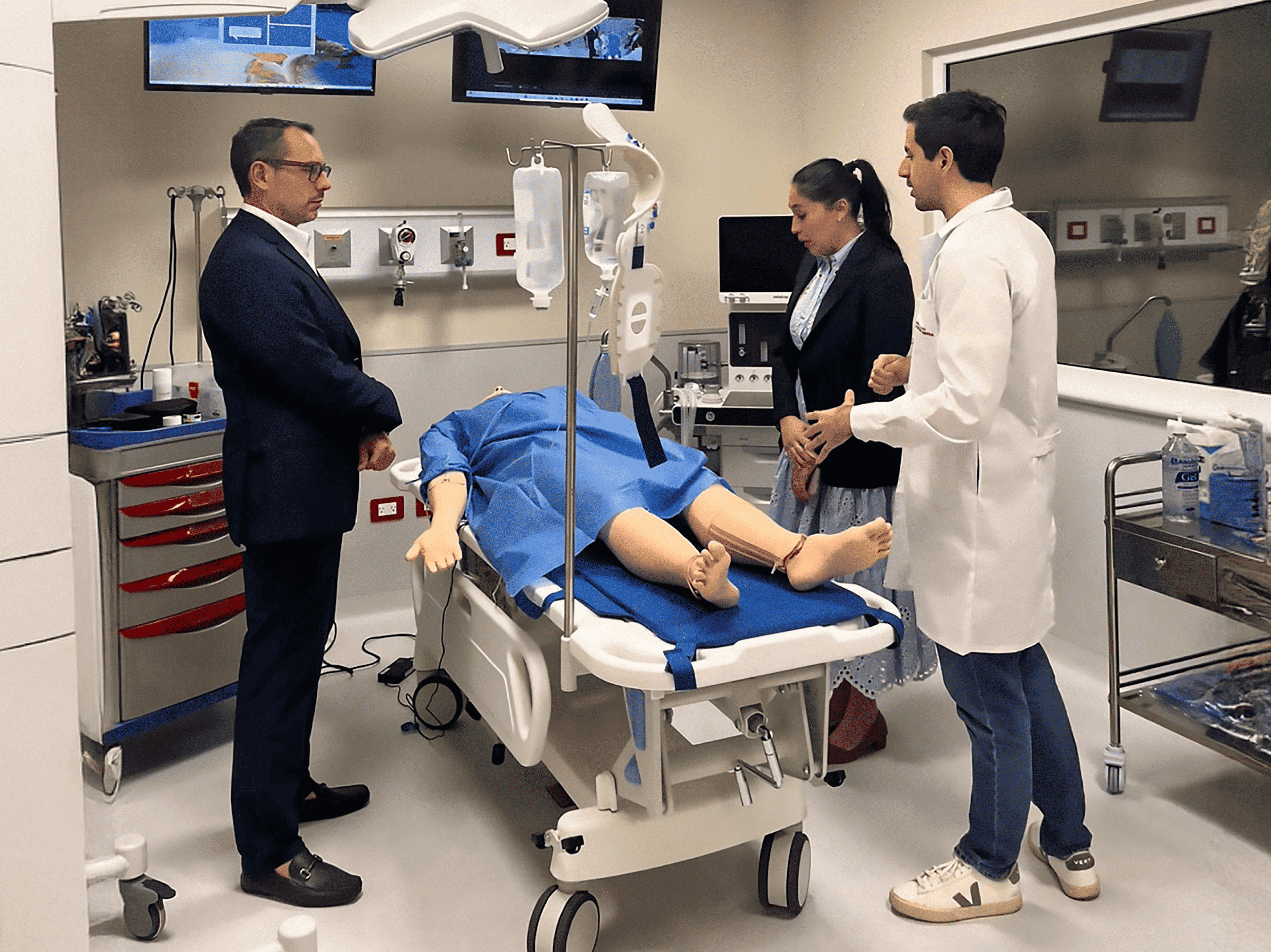
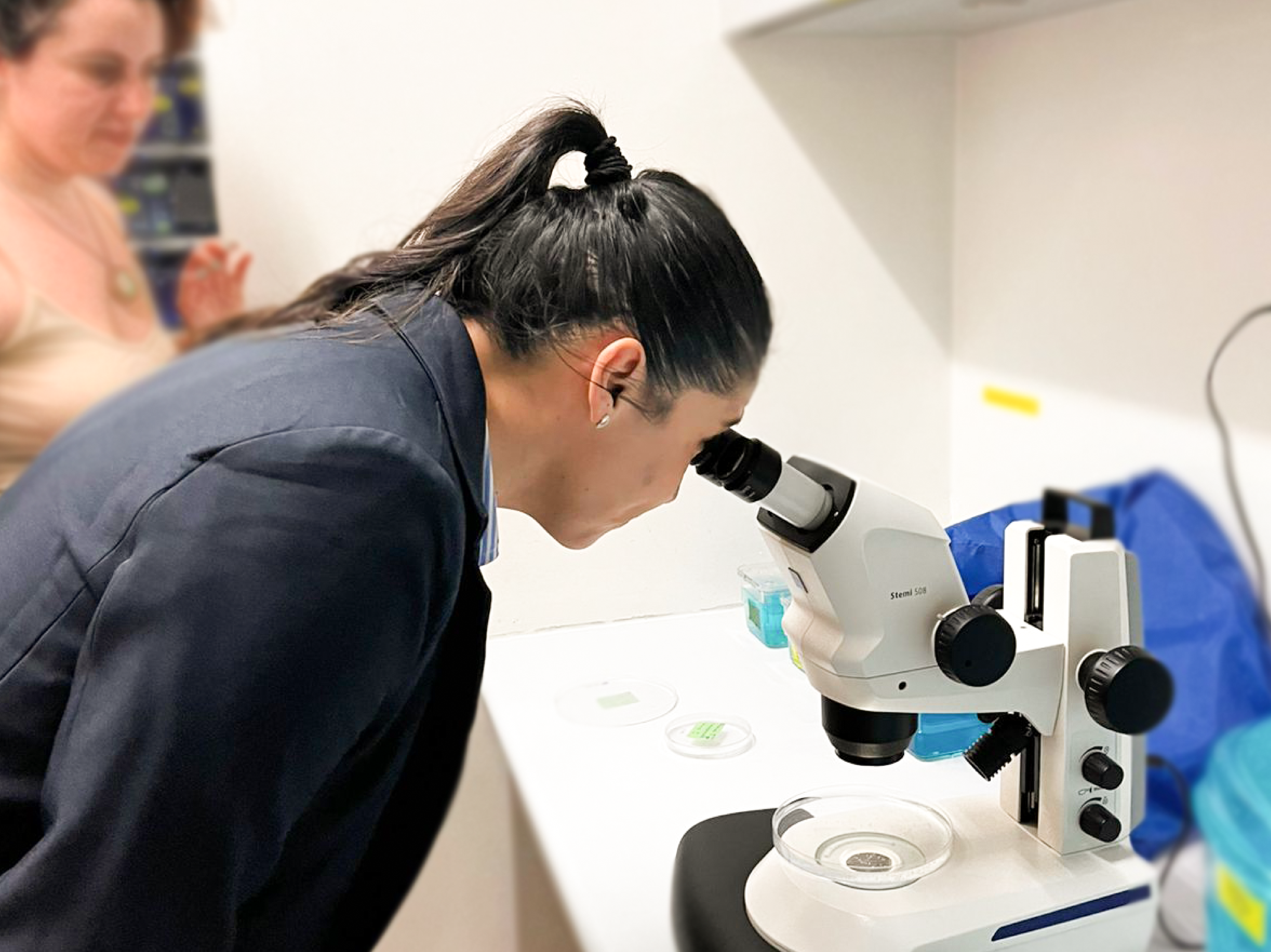
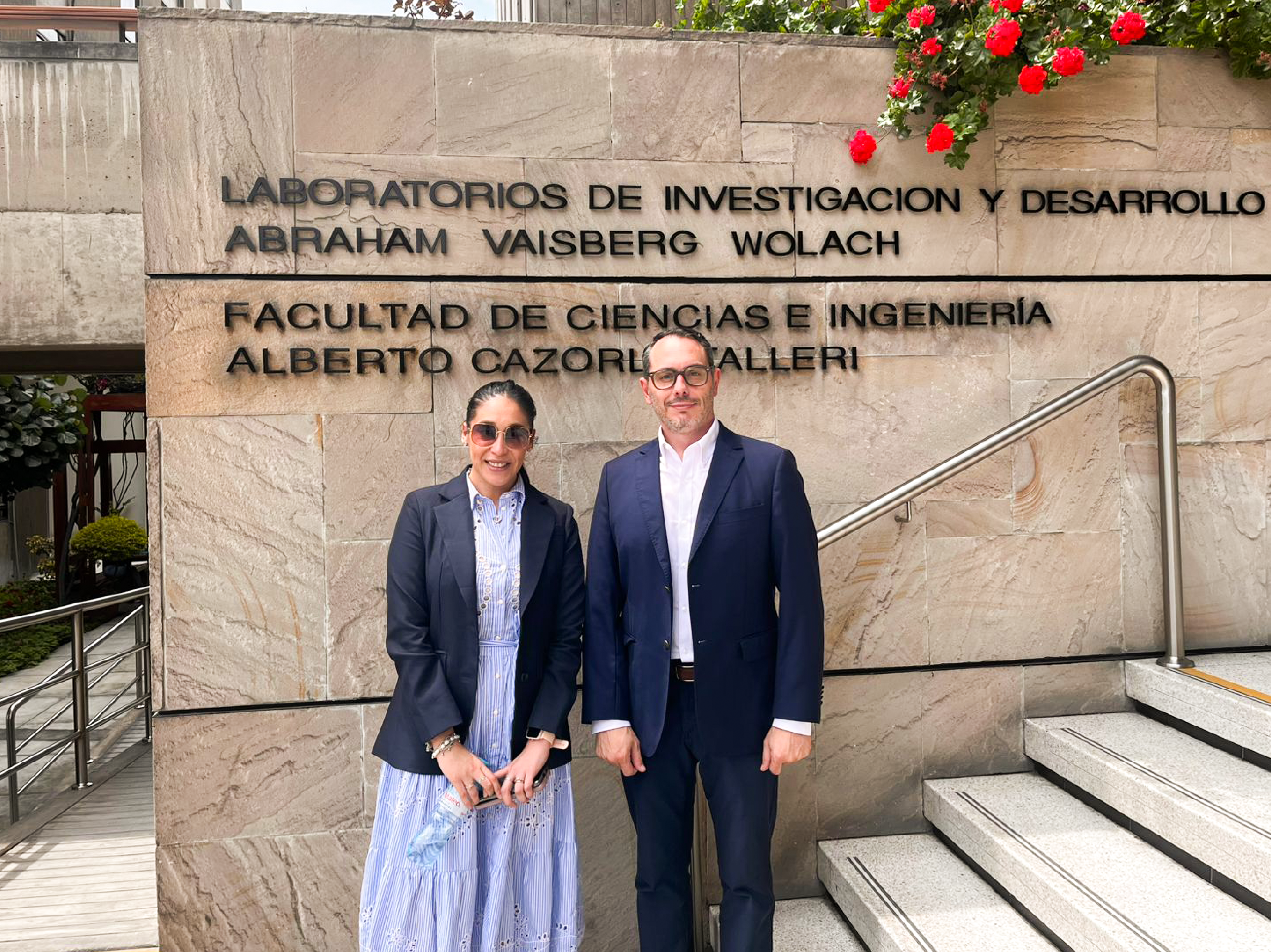
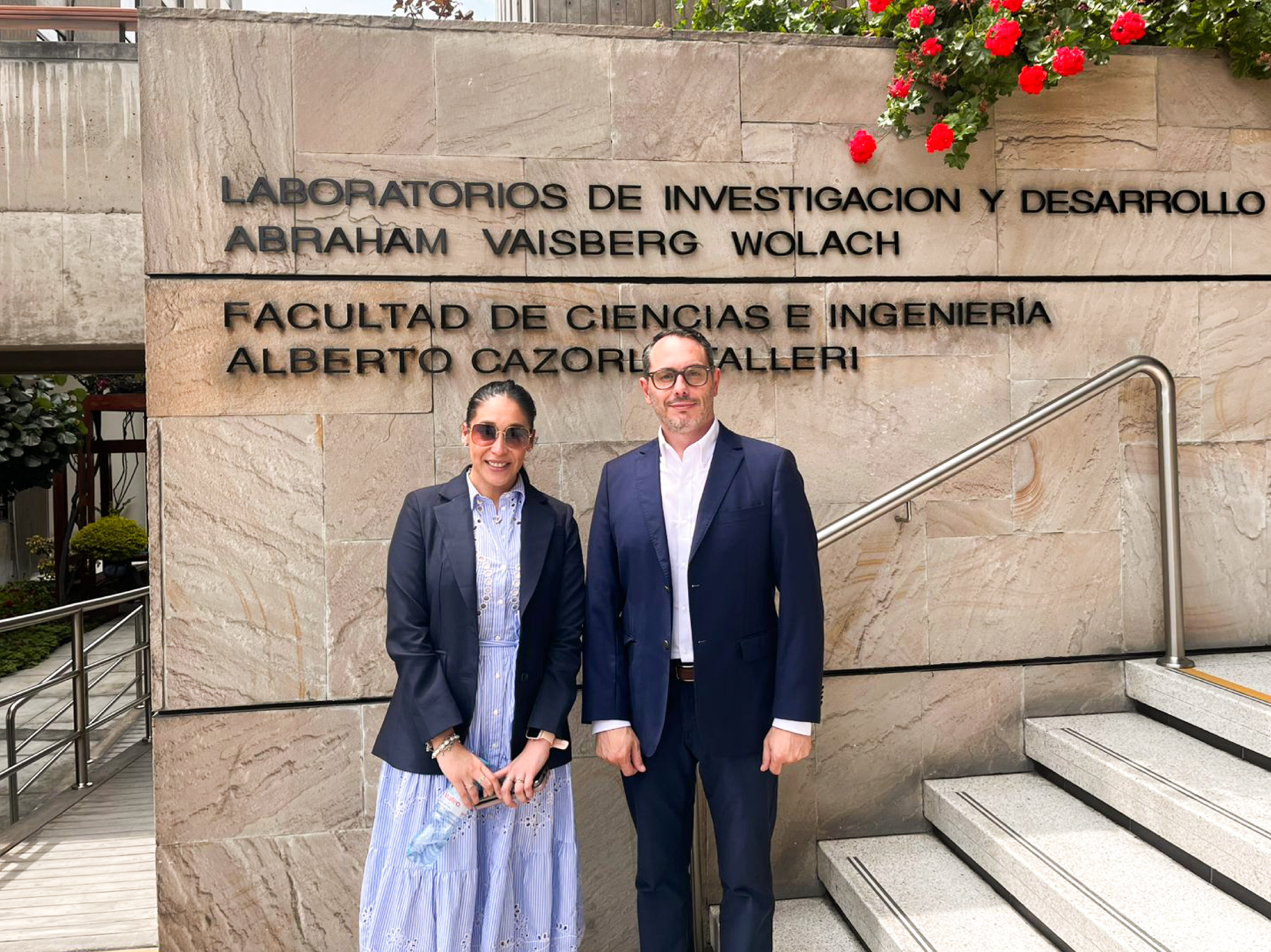
As part of the agenda, the visitor toured the Interdisciplinary Simulation Center at the La Molina campus and the main campus in San Martín de Porres, where she was able to learn first-hand about UPCH’s academic infrastructure, the technological resources supporting clinical training, and the research capacities that distinguish the University, particularly in health, behavioral sciences, and interdisciplinary approaches.
The working meetings made it possible to identify concrete opportunities for cooperation in student and faculty mobility, the development of joint research, thesis co-supervision, and the design of collaborative academic programs, in line with the internationalization models of both institutions. In this way, both institutions reaffirmed their shared interest in promoting sustainable, inclusive, and high-quality internationalization, aimed at the comprehensive training of academic communities and the generation of knowledge with scientific and social impact at a global level.