
Field School 2026: ten days when the Peruvian Amazon became a classroom, a laboratory and a field
Publicado el
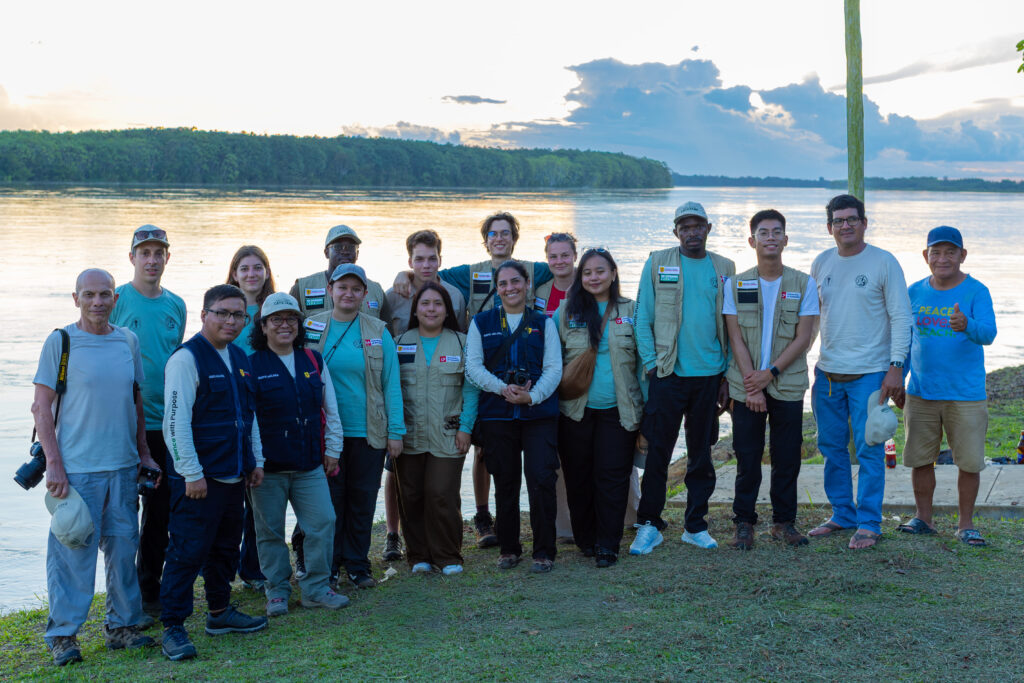
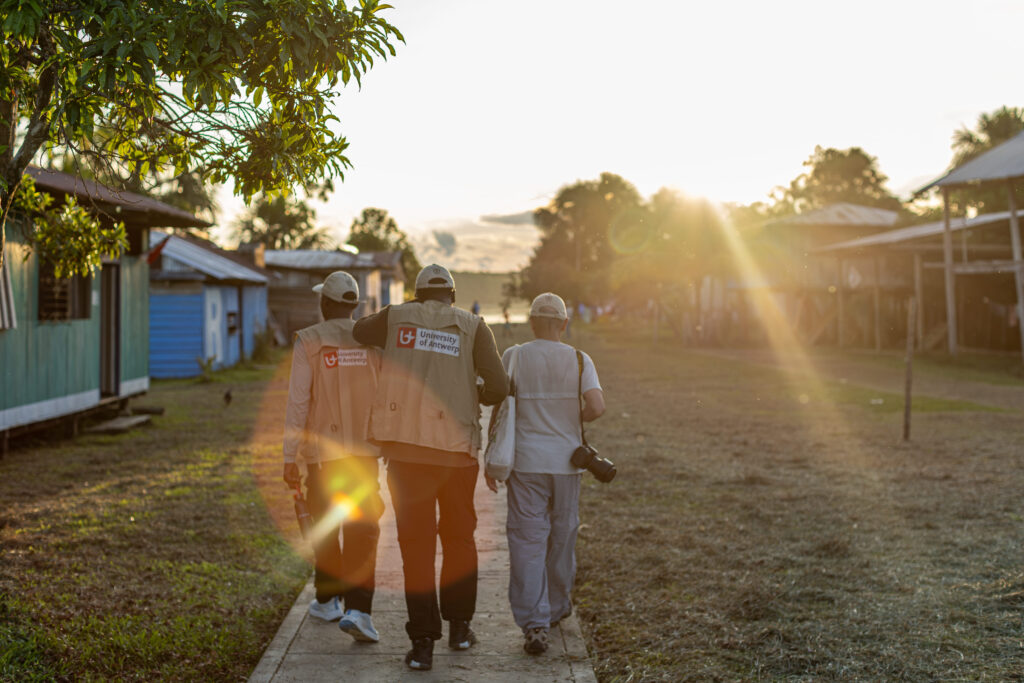
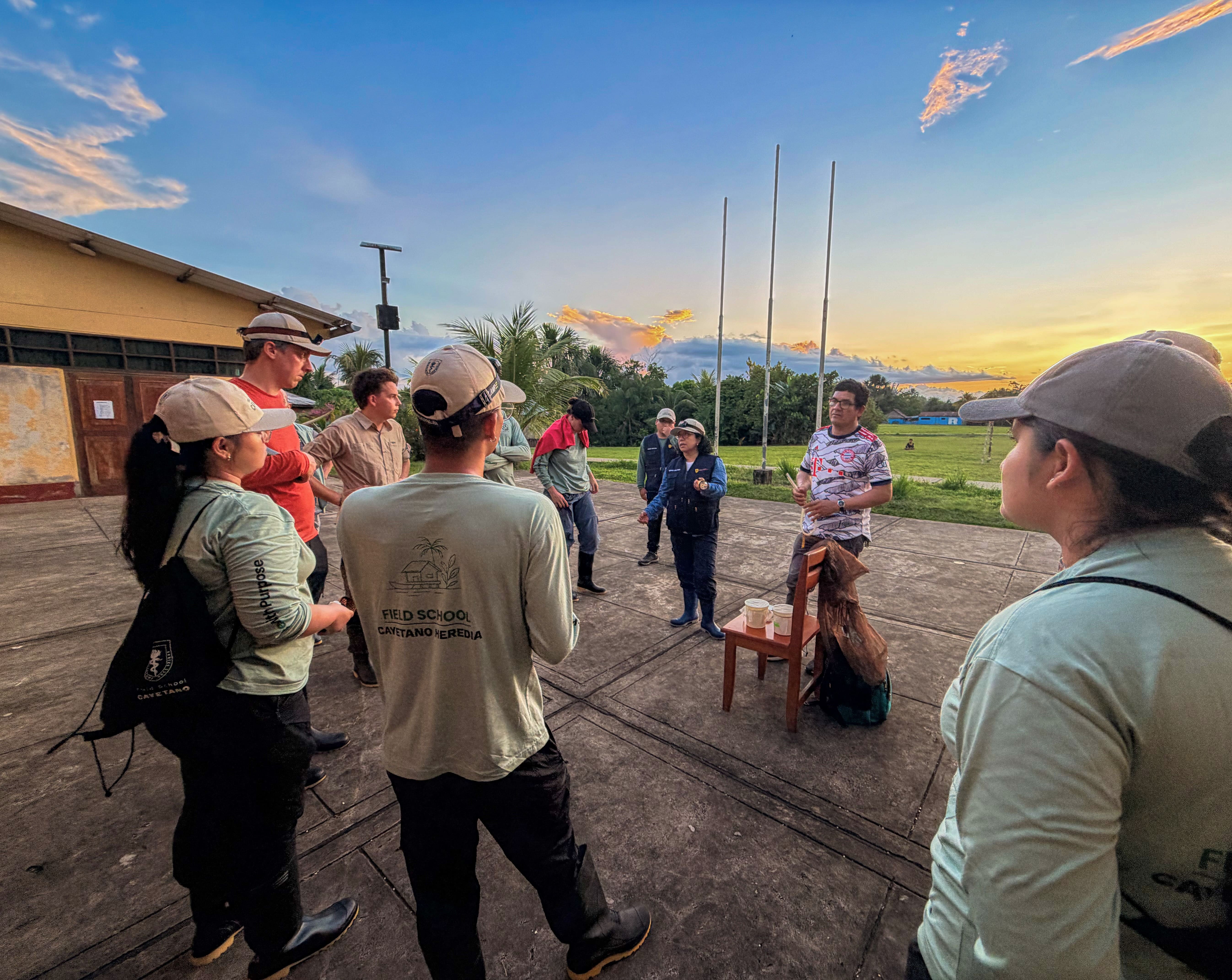
Evening falls over the Napo River and the participants have settled on the bank, back from visiting the households of the community of El Salvador, at the hour when the heat finally breaks and the water takes on the color of the sky. For three days this community of some sixty households, where malaria remains part of everyday life, has been their laboratory, their lodging and their school.
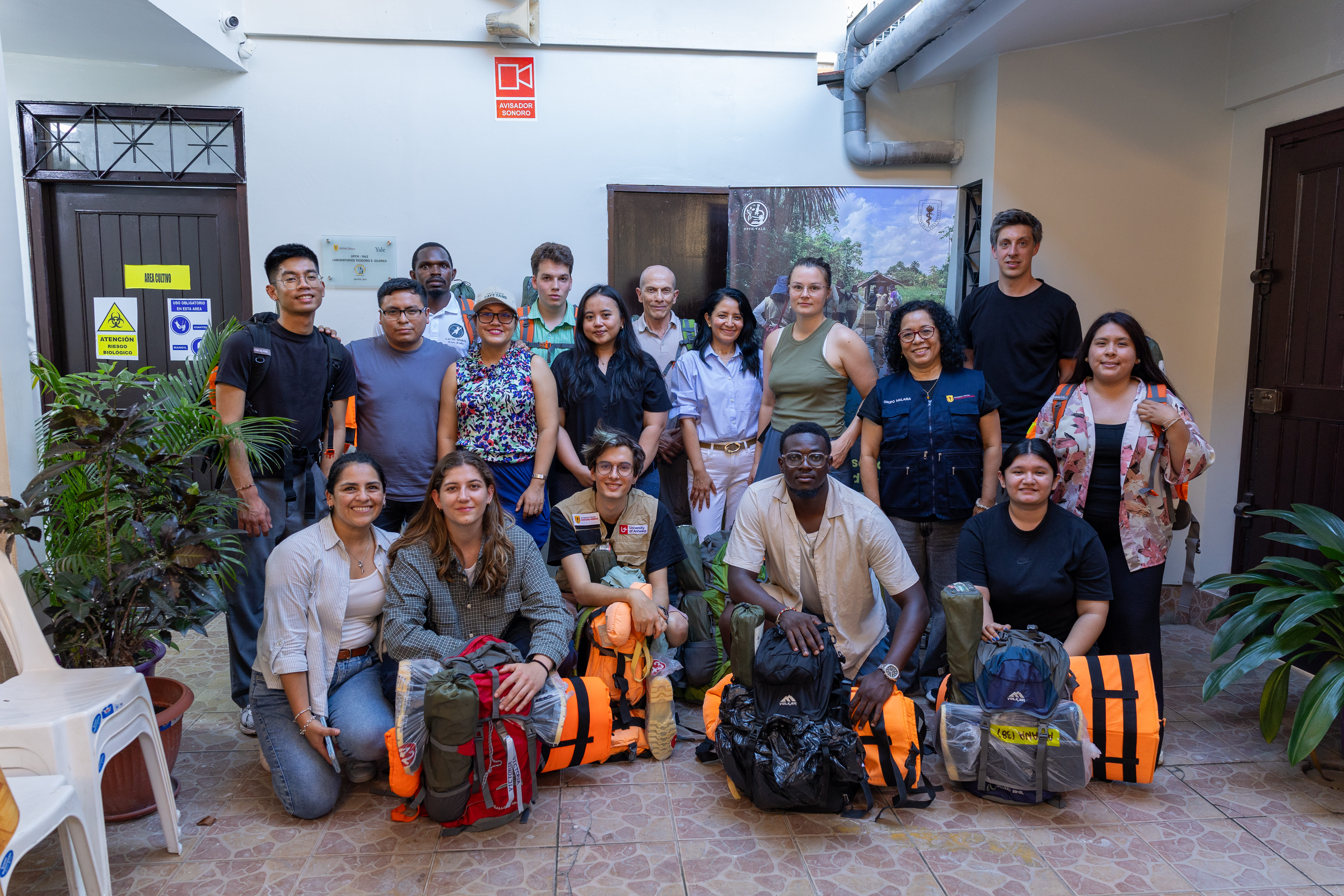
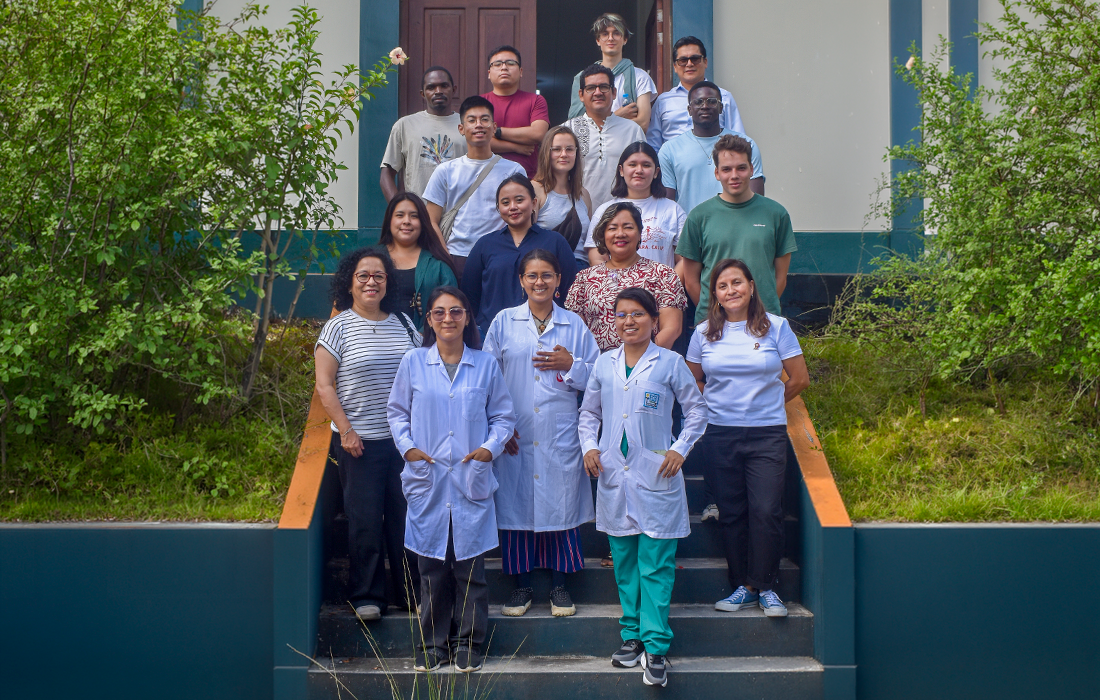
They had arrived in Iquitos a week earlier with backpacks, notebooks and the expectation of learning about infectious diseases in the Amazon itself. Among them were students of medicine, biomedical sciences, biology and epidemiology from Switzerland, Belgium, the Philippines, Indonesia, Cameroon, Uganda and Peru. For all their different backgrounds, one question brought them together: how is public health investigated, sustained and transformed in one of the most complex and biodiverse territories on Earth?
That was how the fourth edition of the Infectious Diseases and Public Health Field School began on July 13, an intensive ten-day programe that moves through laboratories and health centers in Iquitos, communities along the Napo and the laboratories of Universidad Peruana Cayetano Heredia (UPCH) in Lima. The program is run by the UPCH–Yale The Teodoro E. Gildred Laboratories, in partnership with the University of Antwerp and with funding from VLIR-UOS, under the general coordination of Dr. Dionicia Gamboa.
Four days learning to observe
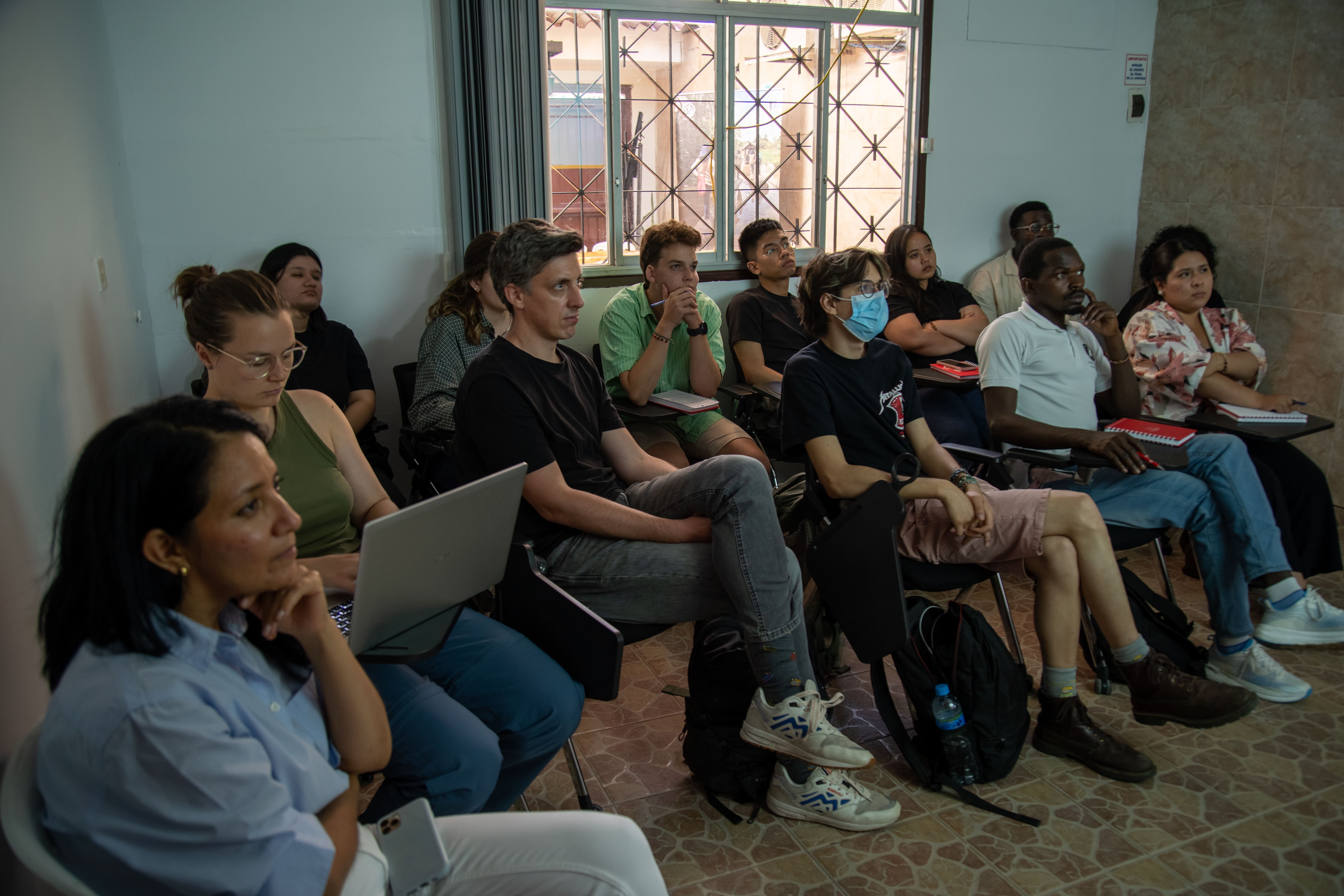
The first days were spent in Iquitos, building the conceptual framework that would later be tested on the river. The programe opened with molecular epidemiology of infectious diseases and went on the three diseases that weigh most heavily on health services in Loreto: malaria, dengue and leptospirosis.
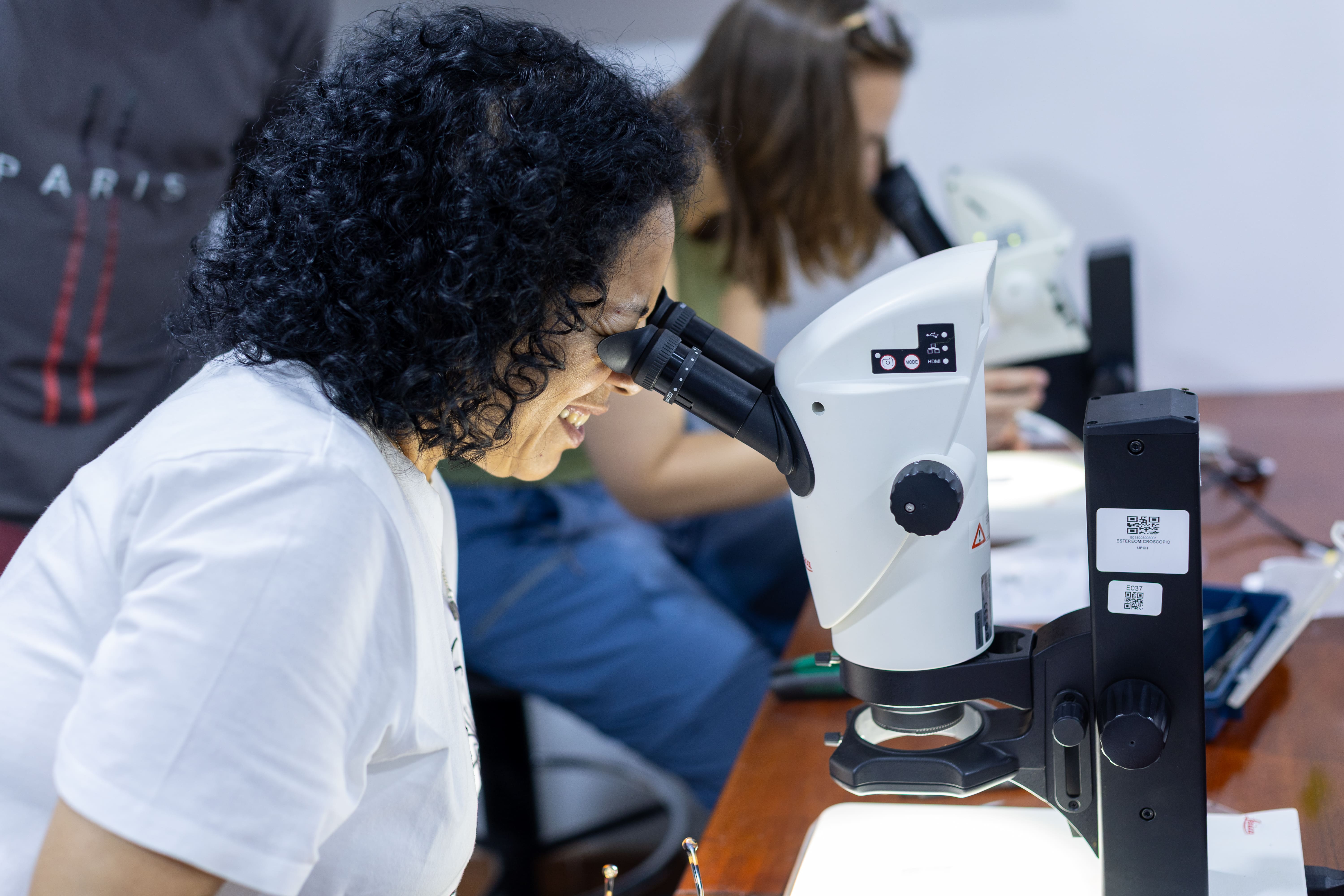
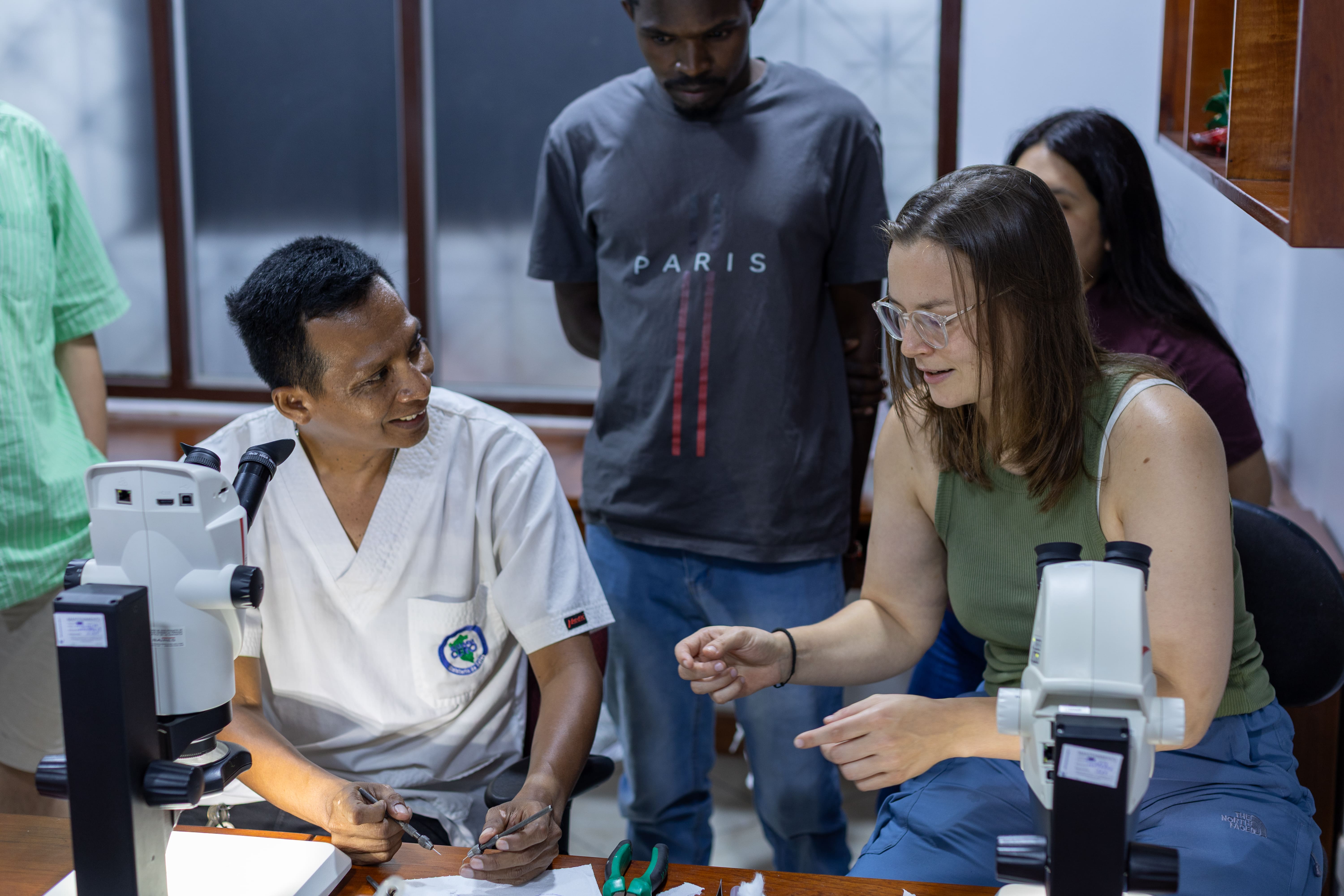
Those sessions alternated with visits to institutions that form part of the surveillance network in the region. At the Loreto Reference Laboratory, with its insectary and parasitology laboratory, they explored how epidemiological surveillance rests on a chain of people, shifts and quality controls, where every slide correctly processed and well read makes it possible to detect a rise in cases in time.
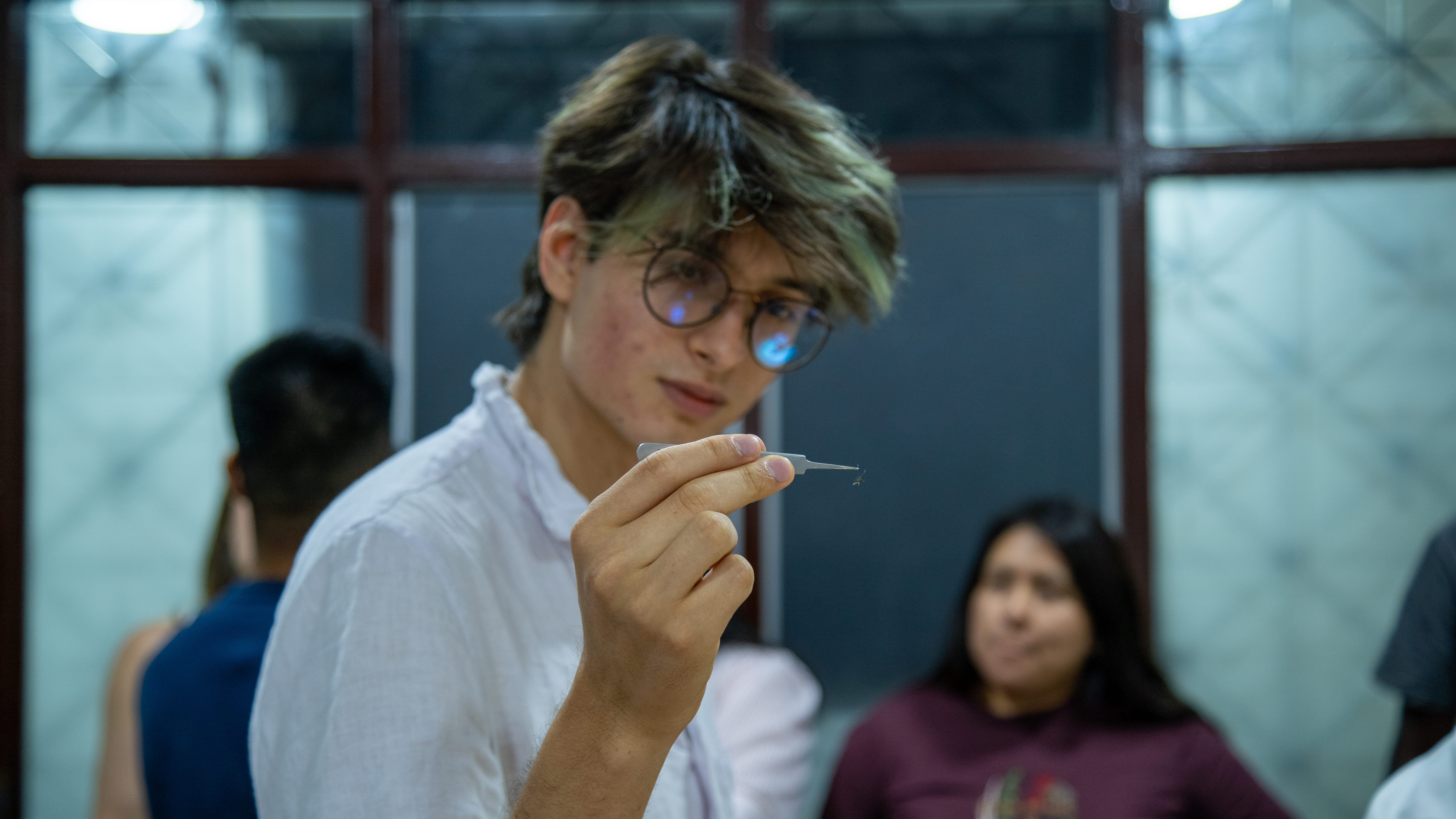
They went on to prepare and stain thin smears and thick blood films — the technique that layers several drops of blood onto one slide to make the parasite easier to find — and set that microscopic reading against rapid diagnostic tests. In the entomology workshop they learned to identify, dissect and preserve mosquitoes, and they approached qualitative methods that help explain why a technically sound intervention can still fail in the field.
n the fourth day they followed the journey of a sample, from point-of-care diagnosis through molecular diagnosis to AmpliSeq sequencing for malaria surveillance. The day closed with a session on how a published finding can go on to shape a public health policy decision.
Into the field
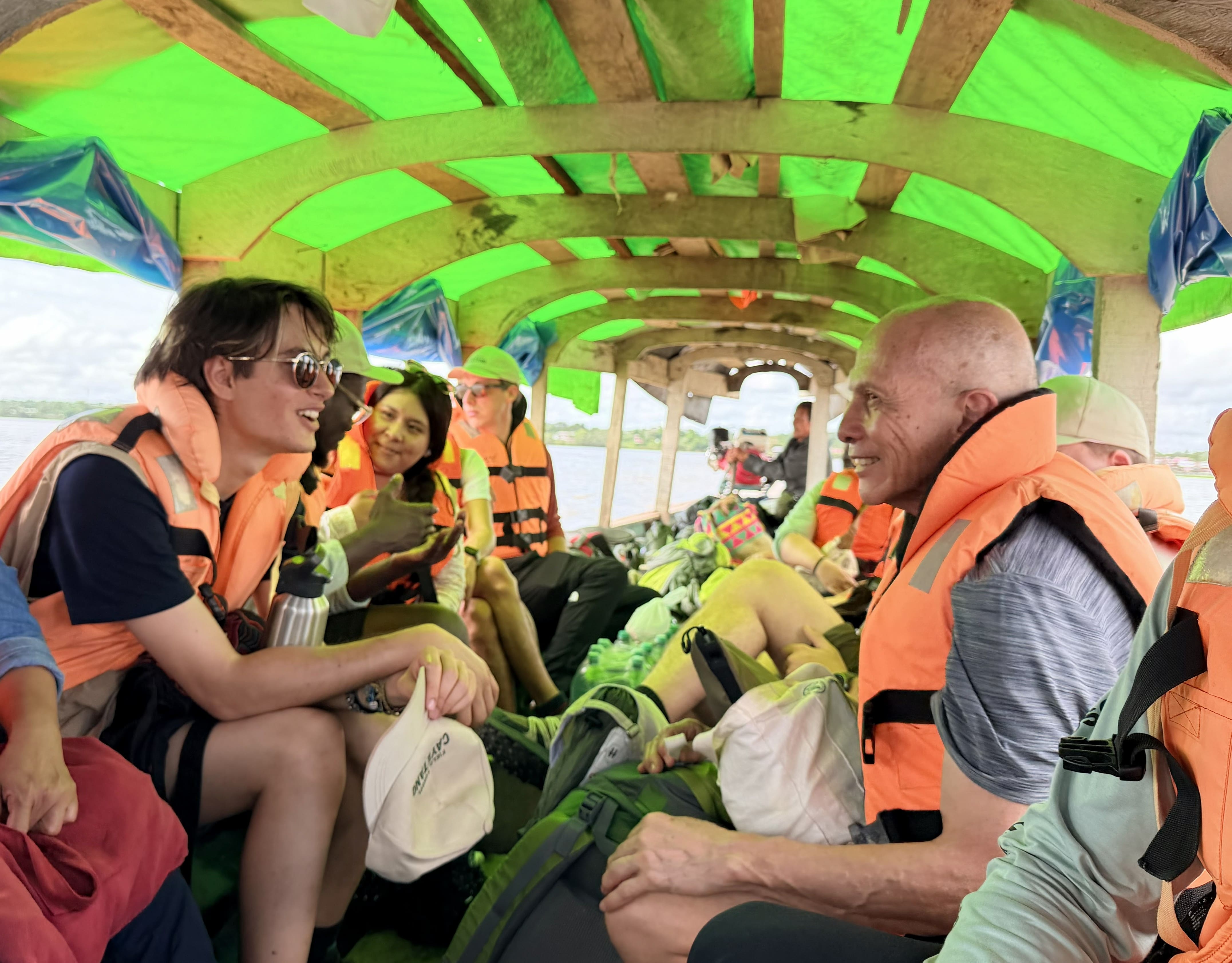
On July 17, starting very early, they set out with camping gear along the route researchers have taken for years: an hour by boat down the Amazon to the district of Indiana, then through Mazán and from there upriver on the Napo to El Salvador. They settled into the tambo — the open-sided shelter that serves as communal quarters — that same afternoon and received instructions and safety precautions for the work that would begin at night.
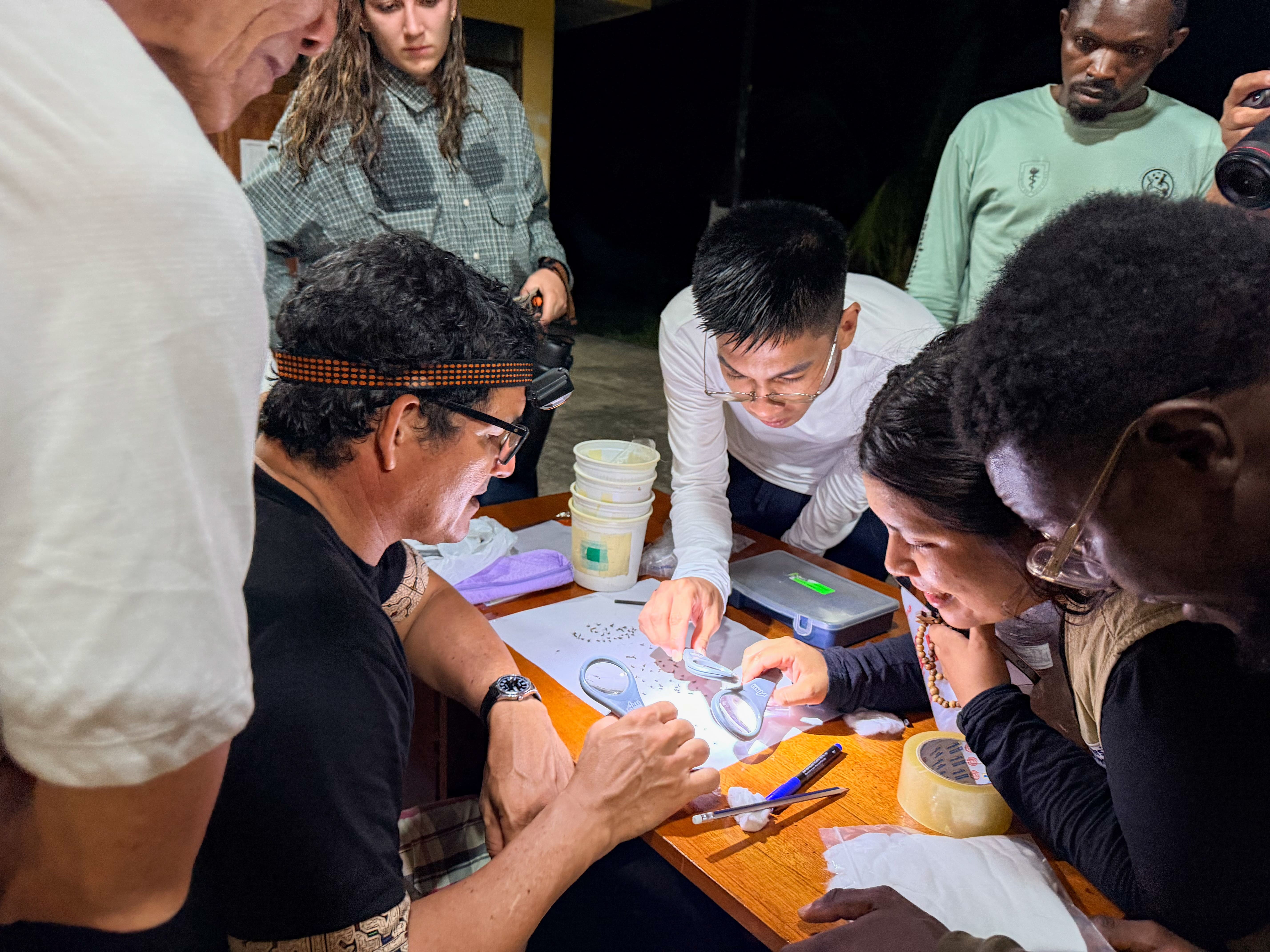
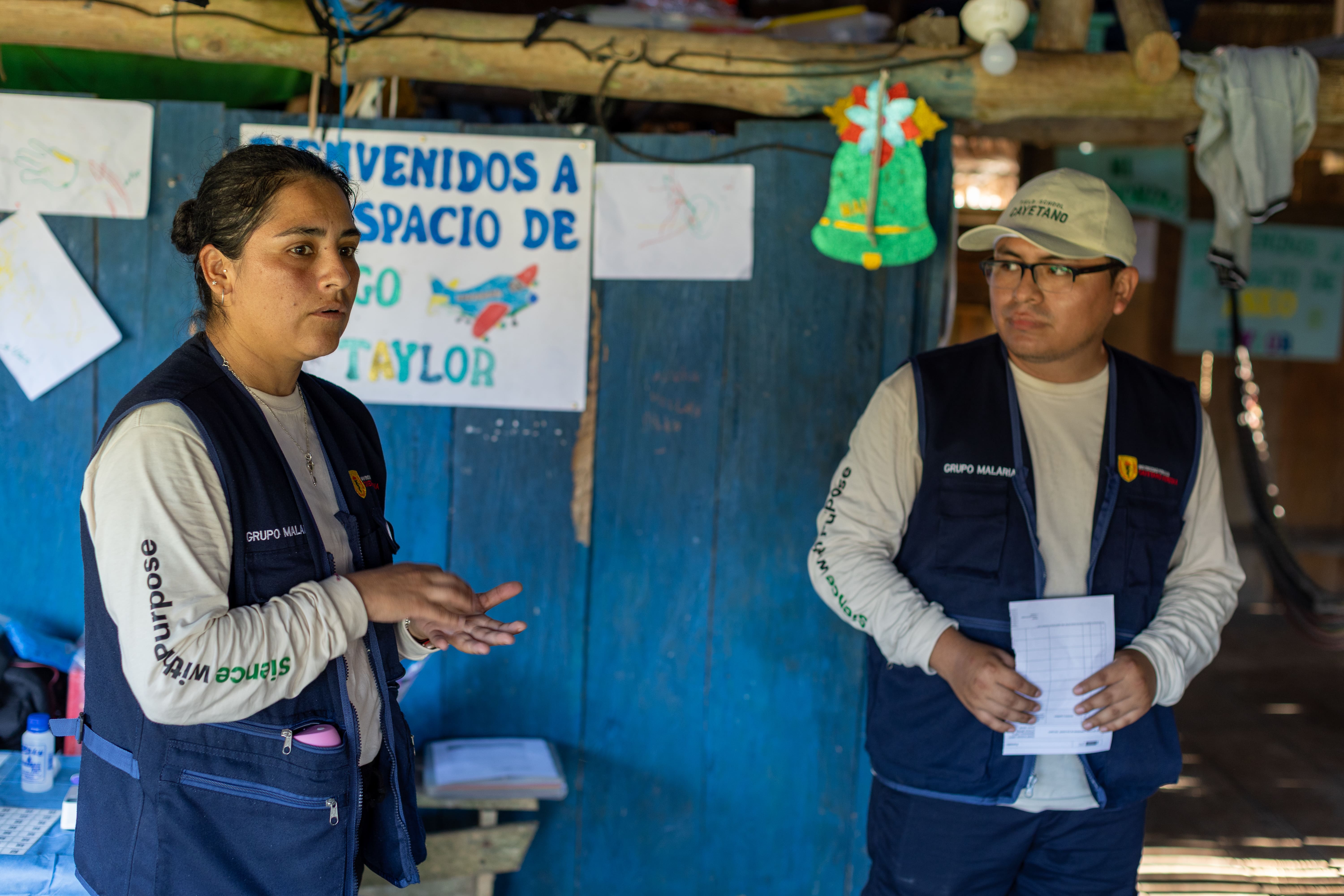
The first activity was mosquito collection, carried out after dusk because that is when Anopheles darlingi, the main malaria vector in the Amazon, concentrates its peak biting activity. The participants accompanied health workers on their rounds of the houses, where collection is done by human landing catch, a standardized method in which the operator attracts the mosquito and captures it with an aspirator before it can bite.
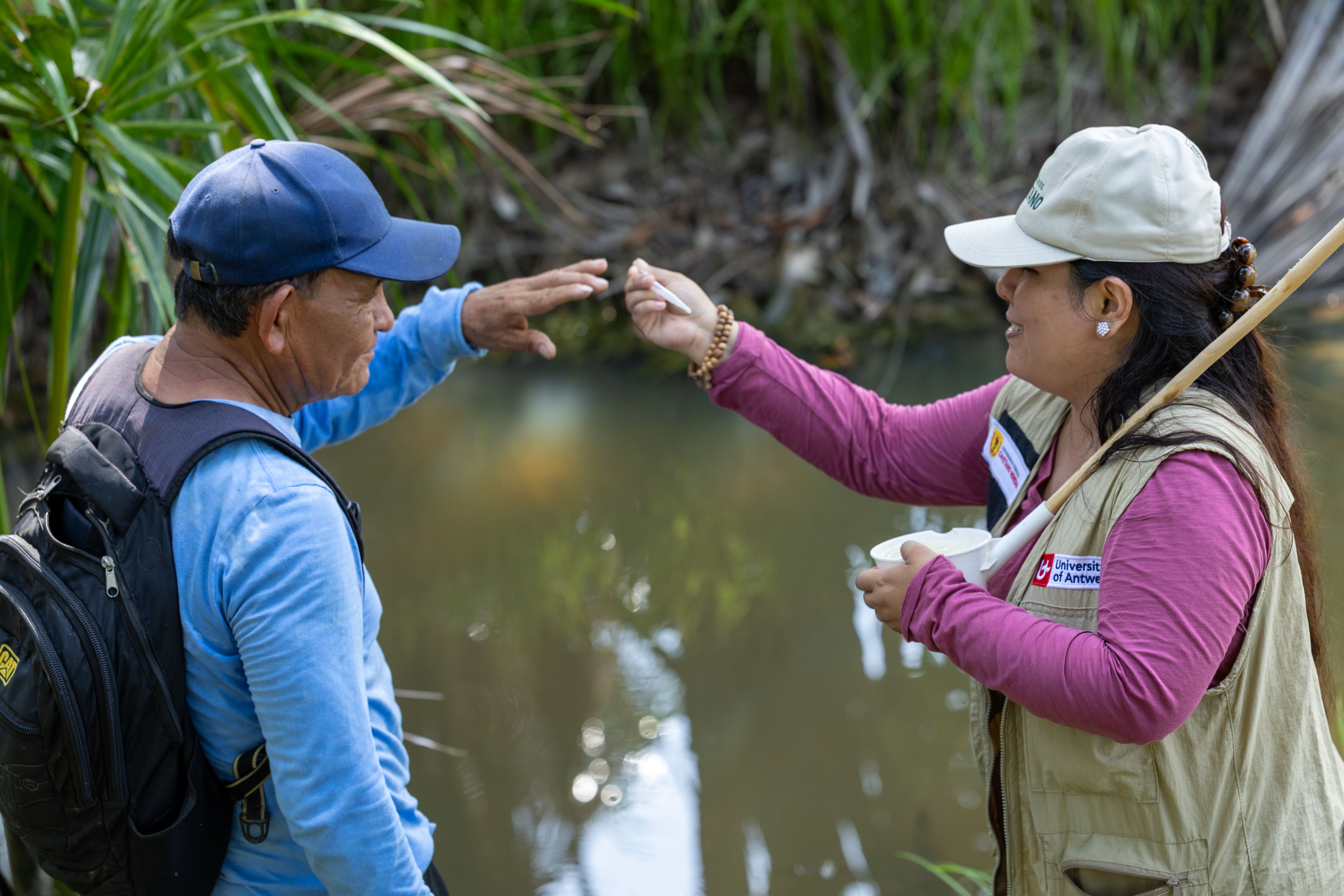
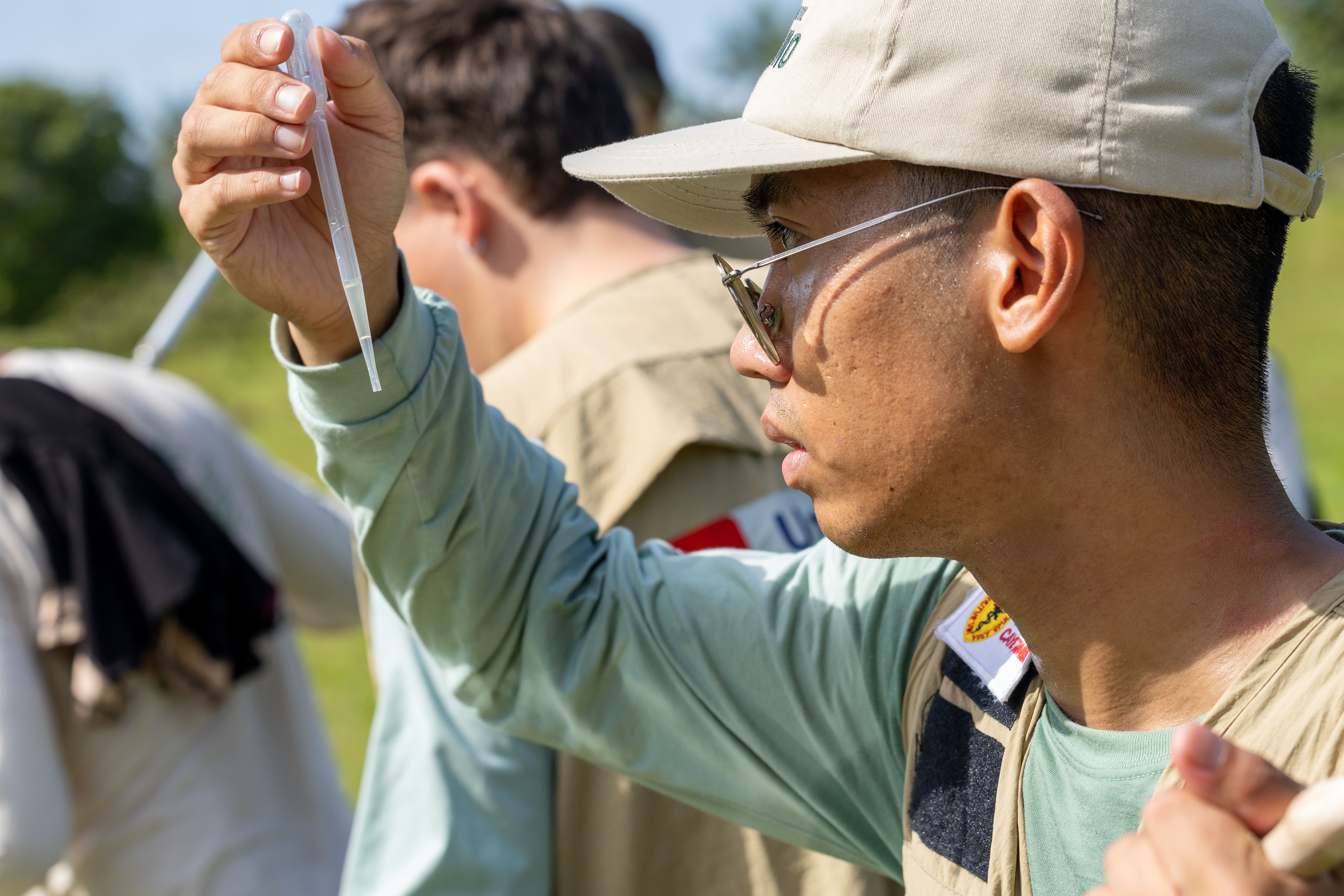
The following morning the work moved to the larval habitats, the water bodies where the aquatic phase of the cycle takes place, and collecting larvae led them to read the landscape in a different way. Hand lenses at the ready, they examined what had been gathered over both sessions, identifying and separating the anophelines from the other mosquitoes caught, which do not transmit malaria, and putting their entomology training to work on the vectors.
Only then did the work turn toward people. Walking the houses alongside the field team, participants watched a protocol become a sequence of gestures: the approach to each family, the explanation of the aims, informed consent, the epidemiological questionnaire and a demonstration of blood sampling.
Between activities, the encounters with the children, the conversations with families and the fruit offered along the way brought a lesson that went beyond both theory and practice. Because behind every field encounter and every clinical case there is a social and cultural fabric that also matters to understand.
The city as an ecosystem
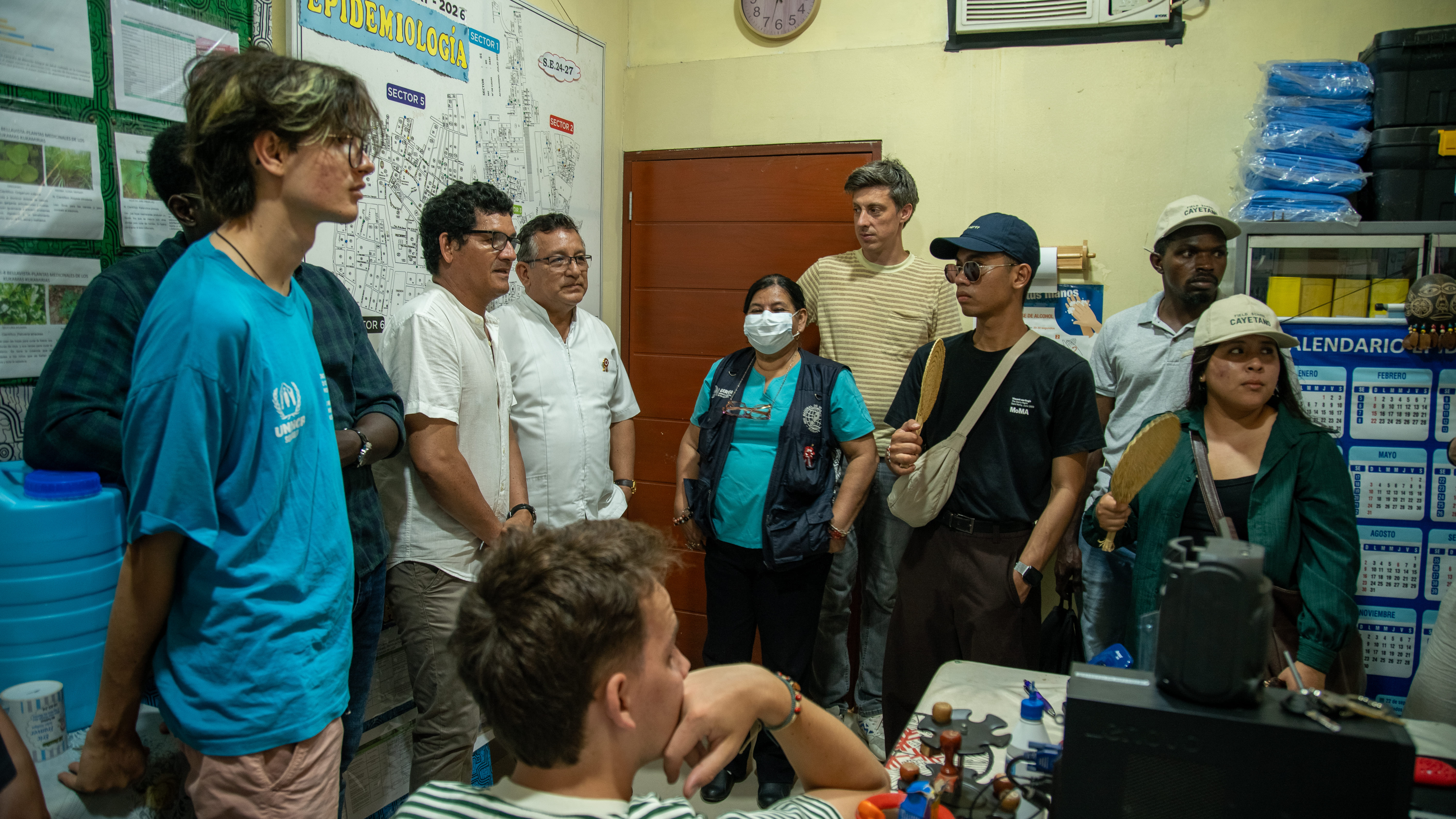
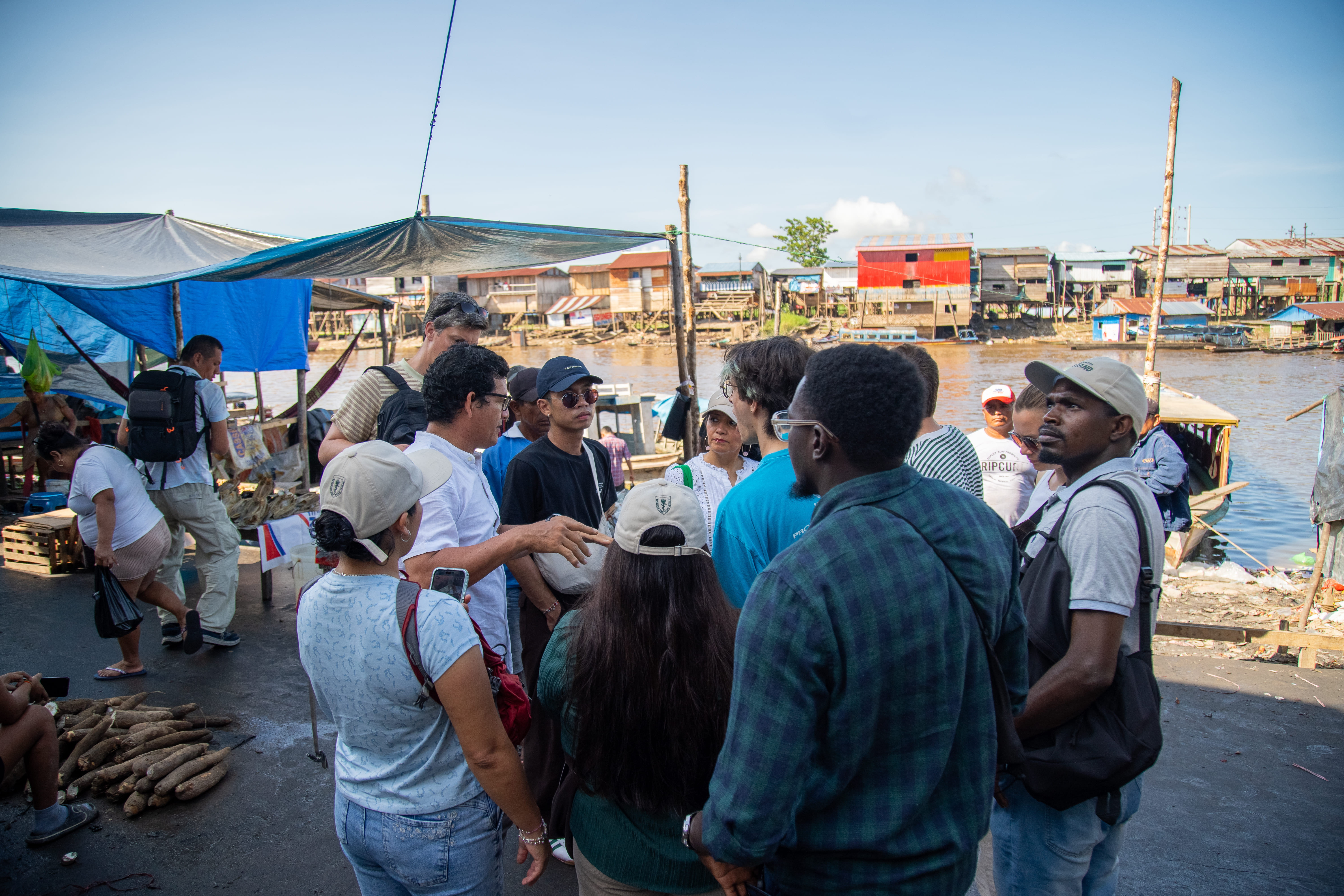
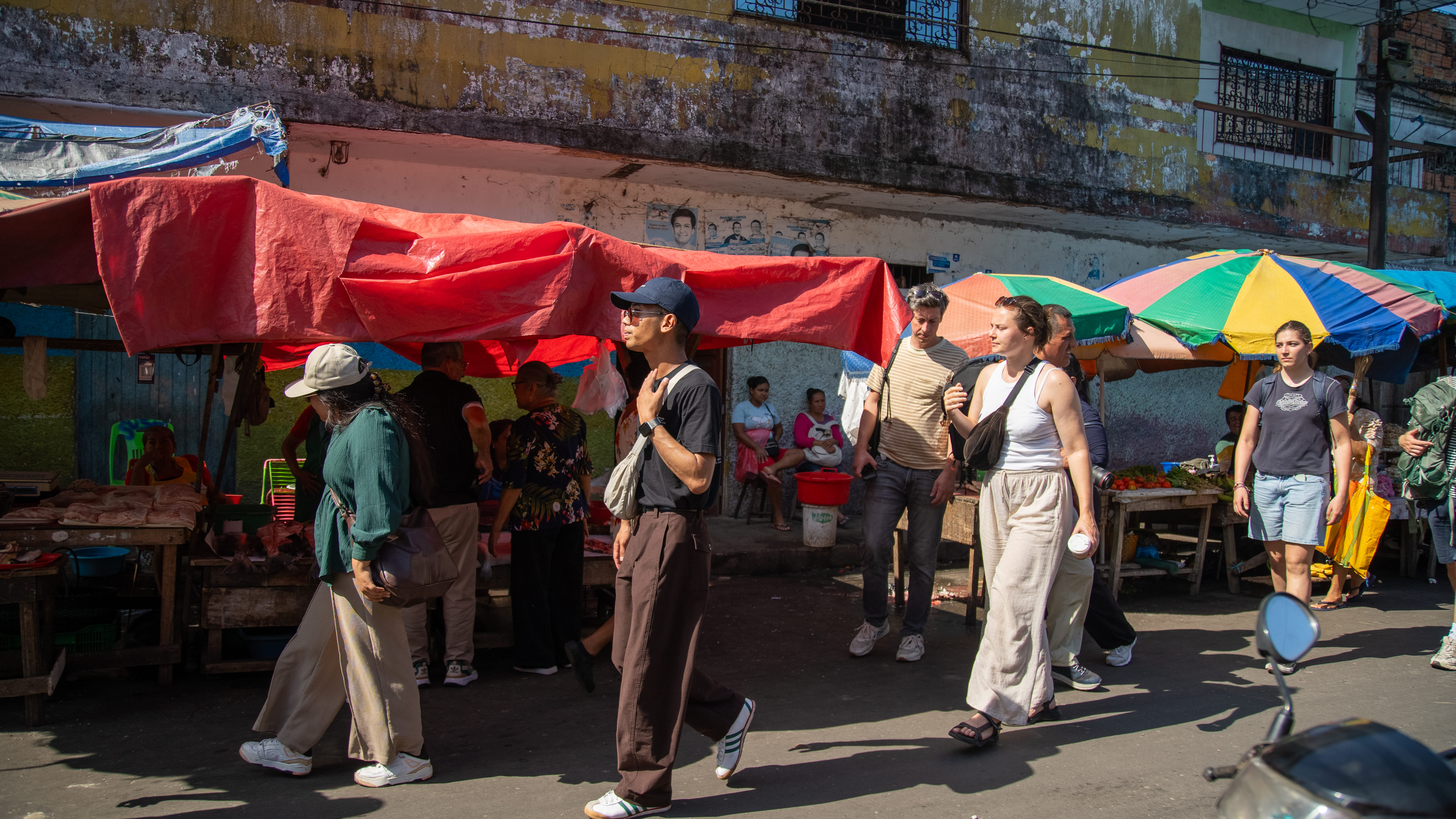
Back in Iquitos on July 20, the group walked through Belén market — where commerce, public health and the wildlife trade share the same aisles — and visited urban and peri-urban health centers to observe patient flows and local strategies against the infectious diseases that affect the local population. The day ended at the Regional Hospital of Loreto, where participants visited the Infectious and Tropical Diseases Research Laboratory and learned about the daily challenges of doing research in Amazonian settings.
At the Specialized Unit of the Biotechnology Research Laboratory (UELIB) of the Natural Resources Research Center (CIRNA) at the National University of the Peruvian Amazon (UNAP), they saw how local researchers are running projects on the biochemical properties of resources such as camu camu, a fruit with a high vitamin C content, and on the use of microalgae and cyanobacteria to help clean heavy-metal contamination from the environment.
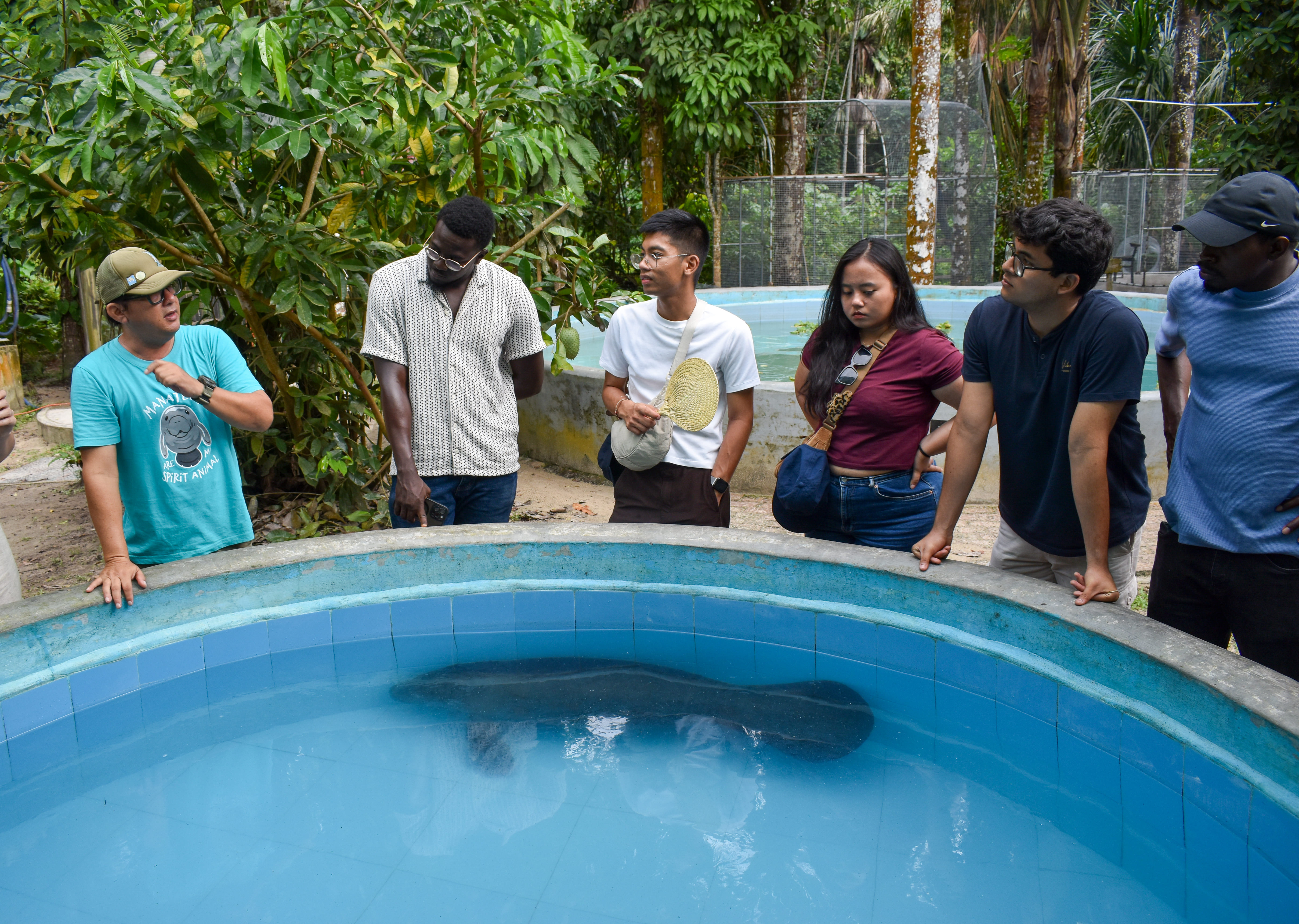
The next day, before leaving the rainforest, the group visited the Amazon Rescue Center (CREA), where a manatee under rehabilitation was reminder enough that human health and wildlife belong to a single ecosystem, and that research has to account for the environment as a whole.
A different kind of return
On the final day the circle closed on the Cayetano Heredia campus, in the malaria laboratories and the Molecular Epidemiology Unit, where a drop of blood and a mosquito end up as sequences, as evidence and, eventually, as control decisions. The day concluded with a look back: each participant chose whatever, among so many places, people and experiences, best summed up what they were taking away from the Field School, and shared it with the group.
The participants returned to their home countries with new techniques, but above all with a full sense of what field sampling demands, something hard to acquire any other way. Behind every epidemiological figure there is a journey, a family that gave its consent and a field team that worked through the night to catch a vector.
Back on that riverbank on the Napo, the last before the boats turned for Iquitos, what they were carrying did not quite fit in the labeled test tubes. Loreto had stopped being a case study and become a place with names. That, in the end, is what UPCH is betting on in the Peruvian Amazon: research done from within the territory, and with the people who live in it.
The call for applications for 2027 is already underway.